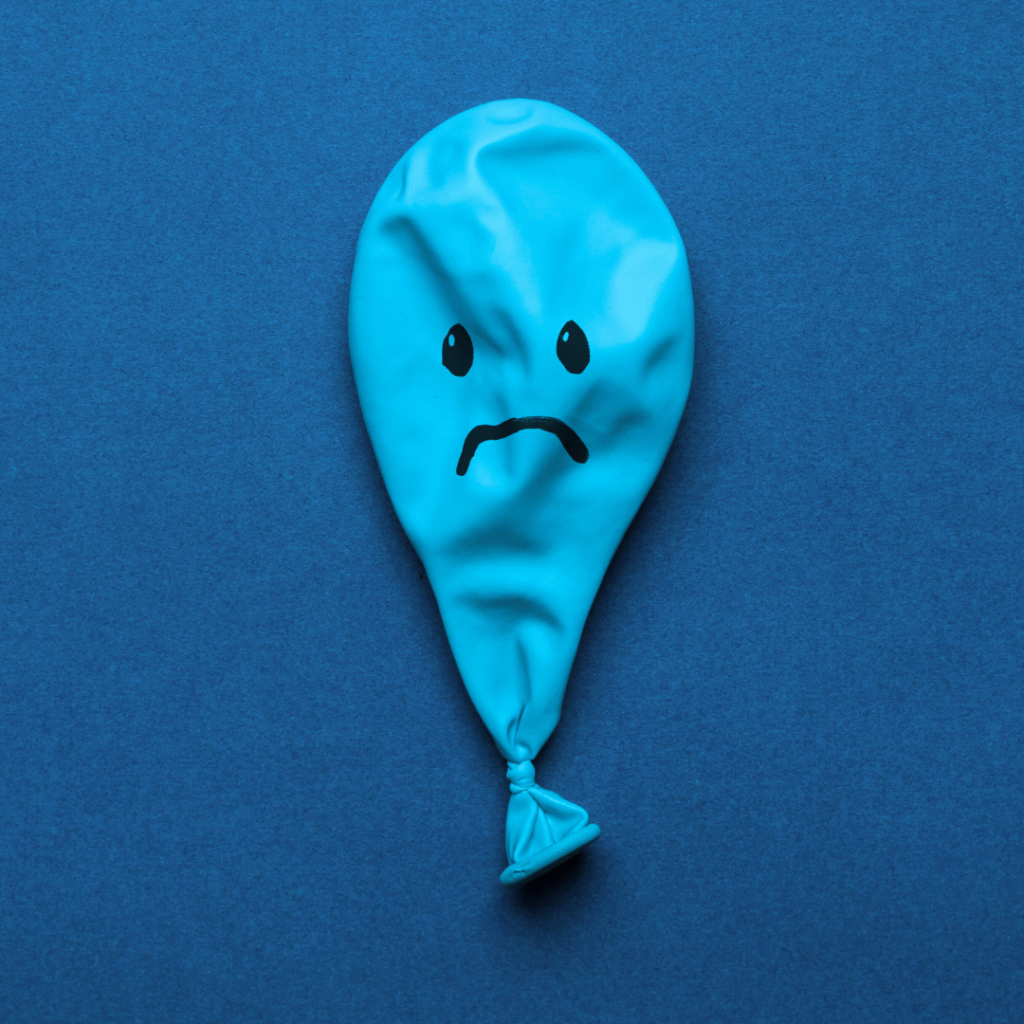
World Bipolar Day: Understanding Bipolar Disorder Beyond Highs and Lows
Estimated reading time: 7 minutes
World Bipolar Day is an important moment to raise awareness, challenge stigma, and deepen public understanding of bipolar disorder, a complex mental health condition that affects millions of people worldwide.
Despite growing awareness of mental health, bipolar disorder is still widely misunderstood. It is often oversimplified as “mood swings” or reduced to extremes of mania and depression. In reality, bipolar is a nuanced and varied experience that cannot be captured by these narrow definitions.
This article explores what bipolar disorder really is, what it’s like to live with it, and how we can move towards more informed, compassionate support.
World Bipolar Day offers an important opportunity to raise awareness, challenge stigma, and deepen public understanding of bipolar disorder.
Despite increased conversations around mental health, bipolar disorder is still widely misunderstood. It is often reduced to “mood swings” or framed only in terms of extremes. In reality, bipolar is a complex and varied experience that deserves a more thoughtful and informed understanding.
What Is Bipolar Disorder?
Bipolar disorder is a mental health condition that involves significant changes in mood, energy, and activity levels.
These may include:
- Depressive episodes – low mood, fatigue, difficulty concentrating
- Manic or hypomanic episodes – elevated or irritable mood, increased energy, reduced need for sleep
These experiences exist on a spectrum. Some people have long periods of stability, while others may experience more frequent changes. No two experiences of bipolar are exactly the same.
Moving Beyond Misconceptions
Misunderstandings about bipolar disorder remain common and can contribute to stigma.
“It’s just mood swings”
Bipolar involves more than everyday emotional shifts. These changes can significantly affect a person’s wellbeing and daily life.
“Mania is always productive or positive”
While some people may experience increased energy, mania can also involve distress, impulsivity, and a loss of control.
“People with bipolar are unpredictable”
This assumption overlooks the level of awareness, reflection, and self-management many people develop over time.
Challenging these misconceptions helps create a more accurate and compassionate understanding.
Living With Bipolar Disorder
Living with bipolar often involves ongoing awareness and care.
This might include:
- recognising early signs of mood changes
- maintaining routines around sleep and stress
- accessing therapy or medical support
- navigating relationships while managing internal shifts
For many, bipolar is not always visible. People may appear outwardly “fine” while managing significant internal experiences.
The Impact of Stigma
Stigma can be one of the most difficult aspects of living with bipolar disorder.
It can lead to:
- hesitation in seeking support
- fear of judgement or misunderstanding
- feeling isolated or unseen
Reducing stigma begins with informed conversations and a willingness to listen without assumptions.

How to Support Someone With Bipolar
Support does not need to be perfect or clinical. Often, it is the small, consistent things that matter most.
You might:
- listen without trying to fix
- avoid making assumptions about their experience
- respect their autonomy
- offer steady, non-judgemental presence
Why World Bipolar Day Matters
World Bipolar Day is not just about awareness—it’s about shifting understanding.
By recognising the complexity of bipolar disorder, we move towards:
- more compassionate responses
- earlier and more accessible support
- reduced stigma in everyday conversations
A Gentle Reflection
Bipolar disorder is not simply a cycle of highs and lows. It is a deeply personal experience that can involve complexity, resilience, and ongoing adaptation.
On World Bipolar Day, we are invited to move beyond assumptions—and towards understanding.
🤍 If You’re Looking for Support
If any part of this resonates with you, you’re not alone.
At Affordable Counselling Network, we recognise that living with or alongside bipolar disorder can feel complex, and at times, overwhelming. Counselling can offer a space to explore your experience at your own pace, without judgement.
You don’t need to have the right words—just a place to begin.
You can find more information about bipolar disorder through trusted organisations such as the NHS, Mind, and Bipolar UK, which offer guidance, support, and practical resources.
NHS – Bipolar disorder overview
https://www.nhs.uk/mental-health/conditions/bipolar-disorder/
Mind UK – Understanding bipolar disorder
https://www.mind.org.uk/information-support/types-of-mental-health-problems/bipolar-disorder/
Bipolar UK – Information and support
https://www.bipolaruk.org/
World Health Organization – Mental health
https://www.who.int/health-topics/mental-health
This article is written by a practising counsellor with experience supporting individuals navigating a range of mental health challenges, including mood disorders. Her work is grounded in a trauma-informed, relational approach that prioritises safety, understanding, and each person’s unique lived experience.
This article is intended for general awareness and does not replace personalised medical or mental health advice. If you are experiencing symptoms of bipolar disorder or are concerned about your mental health, it’s important to seek support from a qualified professional such as a GP, psychiatrist, or accredited therapist.
Bipolar disorder is a mental health condition that involves noticeable shifts in mood, energy, and activity levels. These changes typically include periods of depression and periods of mania or hypomania.
While it is often described in terms of “highs and lows,” the reality is more nuanced. Some people experience subtle shifts, mixed states, or long periods of stability. The condition can affect thinking, sleep, relationships, and day-to-day functioning, and each person’s experience is unique.
Symptoms of bipolar disorder vary, but often include two broad patterns.
During depressive episodes, people may experience low mood, loss of interest, fatigue, difficulty concentrating, and feelings of hopelessness.
During manic or hypomanic episodes, symptoms can include increased energy, reduced need for sleep, racing thoughts, heightened confidence, or irritability. For some, these periods may feel energising at first, but they can also become overwhelming or lead to difficulties in judgement and decision-making.
There is no single cause of bipolar disorder. Research suggests it develops through a combination of factors, including genetics, brain chemistry, and life experiences.
Stressful or traumatic events, changes in sleep patterns, and significant life transitions can sometimes act as triggers for episodes, particularly in those who are already vulnerable. However, it’s important to avoid oversimplifying cause—bipolar is not something a person chooses or creates.
Bipolar disorder can be a serious condition, particularly if it is not recognised or supported. Episodes can affect relationships, work, and overall wellbeing.
At the same time, it’s important to hold a balanced view. With appropriate support, many people develop a strong understanding of their patterns and are able to manage their mental health in a way that allows for stability and meaningful engagement with life.
Bipolar disorder is usually managed rather than “cured.” Support often involves a combination of approaches, such as medication, psychological therapy, and lifestyle adjustments.
Effective support is highly individual. What works for one person may not work for another, and finding the right balance can take time. Ongoing support and self-awareness often play an important role in long-term wellbeing.
Bipolar 1 involves at least one episode of mania, which can be more intense and may significantly impact functioning.
Bipolar 2 involves episodes of depression alongside hypomania, which is a less intense form of mania. Hypomania may not always feel disruptive, but it can still affect mood, behaviour, and decision-making.
Both types are valid and can have a significant impact on a person’s life.
Bipolar disorder is diagnosed by a psychiatrist, based on a detailed understanding of mood patterns, symptoms, and personal history.
Diagnosis is not based on a single moment or test—it usually involves exploring how mood changes over time. This process can take care and consideration, as symptoms can overlap with other experiences.
Yes. Many people living with bipolar disorder experience periods of stability and develop ways of managing their mental health over time.
This might include recognising early signs of change, building supportive routines, accessing professional support, and making adjustments that protect wellbeing. Stability does not mean the absence of difficulty, but it can mean having tools and support to navigate it.
Supporting someone with bipolar often begins with listening without judgement and avoiding assumptions.
It can help to be consistent, patient, and open to learning about their individual experience. Rather than trying to “fix” things, offering a steady and respectful presence can be more meaningful.
Encouraging support—without pressure—can also be helpful when appropriate.
If you are experiencing ongoing changes in mood, energy, sleep, or functioning that feel difficult to manage, it may be helpful to seek support.
This could involve speaking to a GP, therapist, or mental health professional. Seeking help does not require certainty—sometimes it begins simply with noticing that something doesn’t feel quite right.