
ADHD Support in the UK: Symptoms, Diagnosis, and Therapy Options
Estimated reading time: 6 minutes
ADHD Support in the UK
Finding your way around ADHD can feel overwhelming—especially if you’re trying to make sense of your experiences, long waiting lists, or what support is actually available.
This guide brings together clear information about ADHD in the UK, alongside a more human understanding of what many people go through—particularly when recognition or diagnosis comes later in life.
If parts of this feel familiar, you’re not alone.
What Is ADHD?
ADHD (Attention Deficit Hyperactivity Disorder) is a neurodevelopmental condition that affects how the brain regulates attention, activity levels, and impulses. It is not a lack of intelligence or effort—it reflects differences in how attention and regulation systems function.
You might recognise ADHD through patterns such as:
- Finding it hard to start or finish tasks, even when they matter to you
- Becoming deeply focused on some things, while struggling to engage with others
- Feeling mentally restless, overwhelmed, or easily distracted
- Acting or speaking quickly, then reflecting afterwards
In clinical terms, ADHD is described across three broad areas:
Inattention
- Difficulty sustaining focus on tasks or conversations
- Losing track of time or details
- Forgetfulness or misplacing things
- Challenges with organisation and planning
Hyperactivity
- Physical restlessness (more visible in children)
- Internal restlessness (more common in adults)
- Difficulty slowing down or relaxing
Impulsivity
- Acting quickly without full consideration
- Interrupting or speaking over others
- Difficulty waiting or pausing before responding
ADHD Is Not One-Size-Fits-All
ADHD presents differently from person to person. Some people relate more to inattentive patterns, others to hyperactivity or impulsivity, and many experience a combination.
In adults, ADHD often looks less like visible hyperactivity and more like:
- Chronic overwhelm
- Difficulty prioritising
- Emotional intensity or sensitivity
- Cycles of burnout and recovery
Because of this, ADHD can sometimes be misunderstood or overlooked—especially in people who have developed ways to cope or mask their difficulties.
How ADHD Affects Daily Life
ADHD can influence many areas of life, including:
- Work or study (e.g. deadlines, focus, organisation)
- Relationships (e.g. communication, emotional regulation)
- Self-esteem (e.g. feeling “not good enough” despite effort)
Over time, repeated experiences of struggle or misunderstanding can lead to self-criticism. Many people describe feeling like they are “trying harder than others but getting different results.”
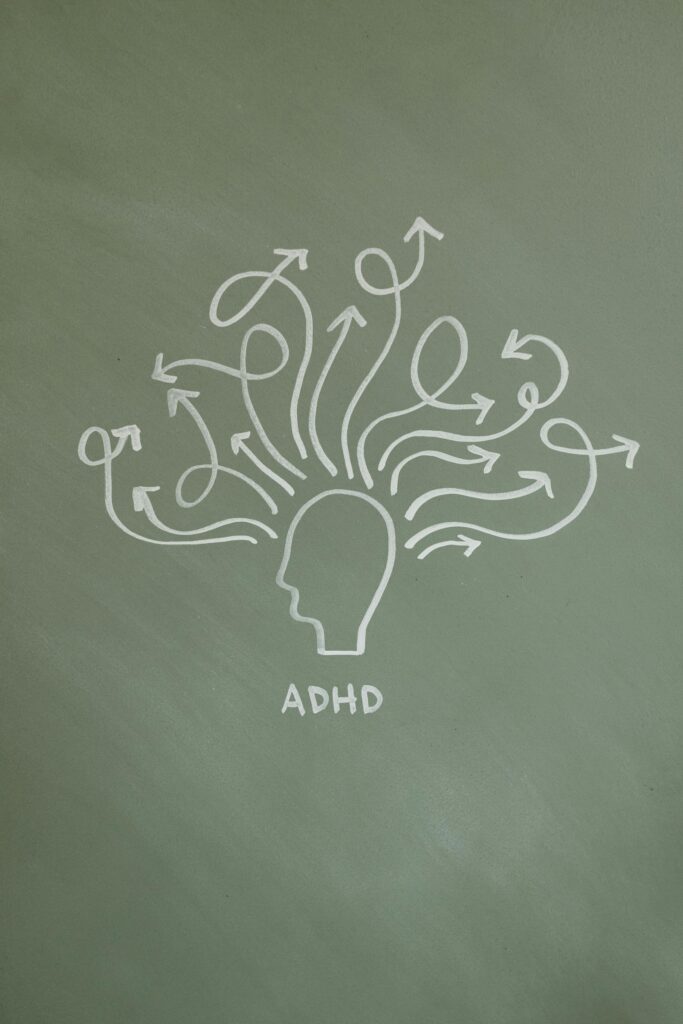
ADHD and the Brain
Research suggests ADHD is linked to differences in how the brain manages attention, motivation, and reward.
This can mean that:
- Tasks that are interesting or urgent feel easier to engage with
- Tasks that are routine or less stimulating can feel much harder to start
Understanding this can shift the narrative from “lack of discipline” to differences in how attention is regulated.
Further reading:
NHS overview of ADHD: https://www.nhs.uk/conditions/attention-deficit-hyperactivity-disorder-adhd/
NICE guideline (NG87): https://www.nice.org.uk/guidance/ng87
How ADHD Can Feel Day to Day
People often describe:
- Starting many things but struggling to finish
- Feeling “behind” despite trying hard
- Cycles of motivation and burnout
- Sensitivity to criticism or overwhelm
For some, these patterns have been present since childhood. For others, they become more noticeable in adulthood—especially when life becomes more demanding.
ADHD in Adults (and Why It’s Often Missed)
Many adults are only recognising ADHD later in life.
This can happen because:
- Symptoms were masked or adapted to
- Presentations didn’t fit stereotypes (especially in women)
- Difficulties were attributed to anxiety, depression, or personality
Late recognition can bring a mix of:
- Relief (“this makes sense now”)
- Grief (“why wasn’t this understood earlier?”)
Both are valid—and often explored in therapy.
ADHD and Mental Health
ADHD often overlaps with:
- Anxiety
- Depression
- Burnout
- Low self-esteem
Sometimes people seek support for these first, before ADHD is considered.
Research and clinical guidance (e.g. NICE) highlight the importance of understanding the full picture, rather than treating experiences in isolation.
How to Get an ADHD Diagnosis in the UK
NHS Route
- Usually begins with a GP referral
- Waiting times can be long (often 1–4+ years, depending on area)
It can feel discouraging to realise how long support may take.
Right to Choose (England)
- Allows you to request an alternative NHS provider
- Often results in shorter waiting times
You can learn more here: https://www.nhs.uk/using-the-nhs/about-the-nhs/your-choices-in-the-nhs/
Private Assessment
- Faster access
- Higher cost (often £500–£1,500+)
Who Carries Out an ADHD Assessment?
ADHD assessments are usually completed by specialist clinicians with training in neurodevelopmental conditions.
This may include:
- Psychiatrists (medical doctors specialising in mental health)
- Clinical psychologists
- Specialist ADHD teams (often multidisciplinary)
Assessments typically involve:
- A detailed clinical interview
- Questions about current experiences and childhood history
- Screening questionnaires
- Sometimes input from family members or school/work reports
There isn’t a single test for ADHD—diagnosis is based on patterns over time and how these affect day-to-day life.
What Does a Diagnosis Involve Emotionally?
Alongside the practical process, many people notice emotional responses during or after assessment.
Some describe:
- Relief at being understood
- Grief for earlier experiences
- Uncertainty about what comes next
It can take time to process what a diagnosis means personally, not just clinically.
Support Doesn’t Have to Wait for Diagnosis
While diagnosis can be important, you don’t need to wait for it to begin getting support.
Many people find it helpful to:
- Talk through their experiences in counselling
- Explore patterns without needing a formal label
- Build strategies that fit their way of thinking and feeling
Therapy and ADHD
Therapy for ADHD isn’t about “fixing” you.
Instead, it can offer space to:
- Understand how your mind works
- Reduce self-criticism
- Work with (rather than against) your patterns
- Process experiences like shame, burnout, or late recognition
Approaches may include:
- Integrative counselling
- CBT-informed strategies
- ADHD-informed coaching techniques
Clinical guidance (NICE) supports psychological approaches alongside other interventions where appropriate.
Affordable ADHD Support
Cost can be a real barrier—especially if you’re already navigating waiting lists or uncertainty.
Affordable counselling options, including sliding scale therapy, can make ongoing support more accessible.
ACN connects people with therapists who offer reduced-cost sessions, including those familiar with ADHD and late diagnosis experiences.
This includes neurodivergent-informed counsellors, as well as some therapists who bring lived experience of neurodiversity into their work—something many clients find can deepen understanding and connection in therapy.
Further ADHD Support (UK)
If you’re looking for additional information or community support, these organisations can be a helpful place to start. Different types of support suit different people—some prefer structured guidance, while others find connection through shared experience.
Access to Work (workplace support funding): https://www.gov.uk/access-to-work
NHS ADHD overview: https://www.nhs.uk/conditions/attention-deficit-hyperactivity-disorder-adhd/
ADHD UK (information, groups, Right to Choose guidance): https://adhduk.co.uk
ADHDadultUK (adult-focused resources and practical tools): https://www.adhdadult.uk
ADHD Foundation (education and wider neurodiversity support): https://www.adhdfoundation.org.uk
ADDISS (information and support for adults and families): https://addiss.co.uk
A Note on Relief and Grief
If you’re recognising ADHD traits in yourself, you might notice mixed feelings.
Some people describe a sense of clarity—finally having language for their experiences. Others feel a sense of loss for the support they didn’t receive earlier.
Both can exist at the same time.
There’s no right way to feel about it.
If you’re exploring ADHD—whether diagnosed, self-identifying, or unsure—you deserve support that feels accessible and respectful.
Explore affordable, ADHD-informed therapists with ACN.
www.affordablecounsellingnetwork.co.uk
ADHD is a neurodevelopmental condition that affects how attention, activity levels, and impulses are regulated. People may experience differences in focus, organisation, and emotional regulation.
ADHD is not a mental illness in the traditional sense—it is a neurodevelopmental condition. However, it can overlap with mental health difficulties such as anxiety or depression.
Yes. ADHD often continues into adulthood, and many people are only diagnosed later in life.
ADHD is diagnosed by a specialist (such as a psychiatrist or clinical psychologist) through a detailed assessment of current experiences and developmental history.
No. Many people access counselling and support before receiving a formal diagnosis.