
Depression is not the absence of happiness…
There is a common misconception is that depression is simply excessive or prolonged sadness. That people should be able to just “snap out of it” and “pull themselves together”.
Depression is far more complex than this. It can be difficult to understand and even harder to move forwards.
Depression narrows our emotional range rather than intensifying it, until joy feels distant, and motivation fades.
Numbness happens when life becomes flat or muted, but that doesn’t mean there’s something’s wrong with the person. They haven’t failed and they’re certainly not lazy.
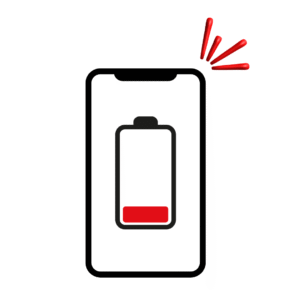
It’s about protection. When your mind is tired, it slows things down to conserve energy – like a phone switching into low-power mode. When the battery is depleted, output is reduced. That doesn’t mean the phone is broken.
Cognitive Distortion: How Depression Shapes Your Thoughts
Depression does not respond to logic, memes or inspirational quotes on a mug.
It’s shaped by stress, loss, trauma, loneliness, unmet needs, and prolonged pressure. Often, it develops gradually, making it hard to pinpoint a single cause.
Depression is not just a feeling; it’s a very convincing storyteller.
- “I’m a burden.”
- “Nothing will change.”
- “Everyone else is coping better than I am.”
These thoughts can feel authoritative, even factual. But they’re symptoms, not truths.
Depression is a persuasive narrator, but not a reliable one. It narrows perspective and presents temporary states as permanent realities. Trying to argue or debate with these perspectives often keeps you stuck in the same loop of thinking.
When these thoughts appear, it can be helpful to notice them and get curious, rather than taking them at face value.
The Inner Critic
Some people have a strong inner critic who uses their preferred set of management strategies to try and maintain a sense of control, approval or safety.
This tends to be things like perfectionism and OCD, pleasing others or keeping busy. Sometimes, they can feel like an enemy, but underneath the judgement is fear. Fear of failure, fear of success. Fear of displeasing others or being overwhelmed.
Over time, chronic pressure can lead to depression emerging as a protective response – slowing everything down and creating “deep rest” to prevent further harm.
At this stage, even anxiety and internal shame are not enough to force us to keep performing. Telling yourself that you should be coping better doesn’t change how things are, or give you space to recover. At this stage, you need understanding and compassion.
What Actually Helps
There is no single solution that works for everyone, but there are some helpful and protective factors highlighted by research and clinical experience:
- Being believed and taken seriously
- Gentle structure rather than overwhelming expectations
- Safe connection with people who do not minimise or rush recovery
- Professional support (therapy, medication, or both if appropriate)
Recovery comes through gently reconnecting with yourself, at a pace that does not overwhelm you.
Above all, compassion plays a central role, from yourself and from others. Recognition that depression is difficult and deserves care rather than criticism.
A Final Thought
If you are living with depression, you have not failed and you’re not broken. You’re responding to something real.
Your system is doing the best it can with the energy and information it has available.
Depression can be persuasive, but it can’t tell the future.
Your story is still being written, ideally with more rest breaks, support and less pressure.